
Why conscious coupling matters
A Daily Reminder for Couples

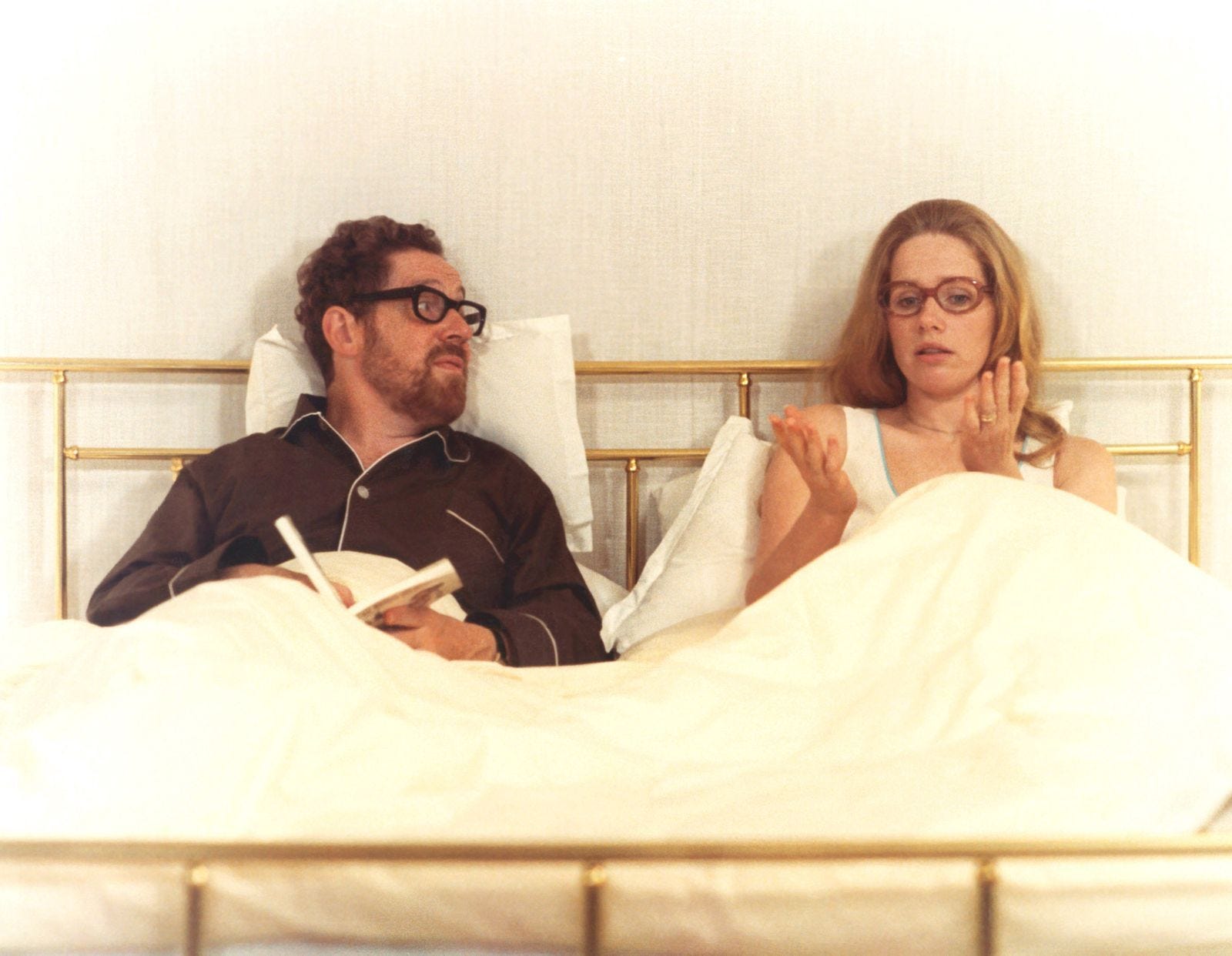
In 2023, over 1.8 million Americans divorced. In 2023, one-third of Americans who had ever been married reported that their first marriage ended in divorce. The “gray divorce,” or divorces involving couples over 50, rose from 1990 to 2008, and almost one-quarter of divorces occur after 25 years of marriage. Marriage is hard, and even if you have been doing it a long time, it is not a guarantee of success. The most commonly cited causes of emotional distress in psychology are relationship problems, especially involving divorce and separation. People in unhappy marriages are 3 times more likely to report a mood disorder, 2 times more likely to have an anxiety disorder, and 2 times more likely to have a substance use disorder. Marital distress, such as poor communication between spouses, is associated with cardiovascular, endocrine, and immune disorders. If there are children, negative implications from marital problems extend to the kids as well.
William James, one of the founders of functional psychology, famously said:
Whenever two people meet, there are really six people present. There is each man as he sees himself, each man as the other person sees him, and each man as he really is.
In other words, there is you, as you understand it, the you as the other person understands it, and then there is the truth.
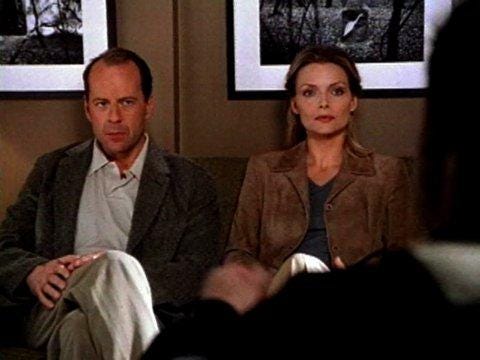
Based on that idea, the Freudian psychoanalyst in the romantic comedy, Story of Us (1999), says:
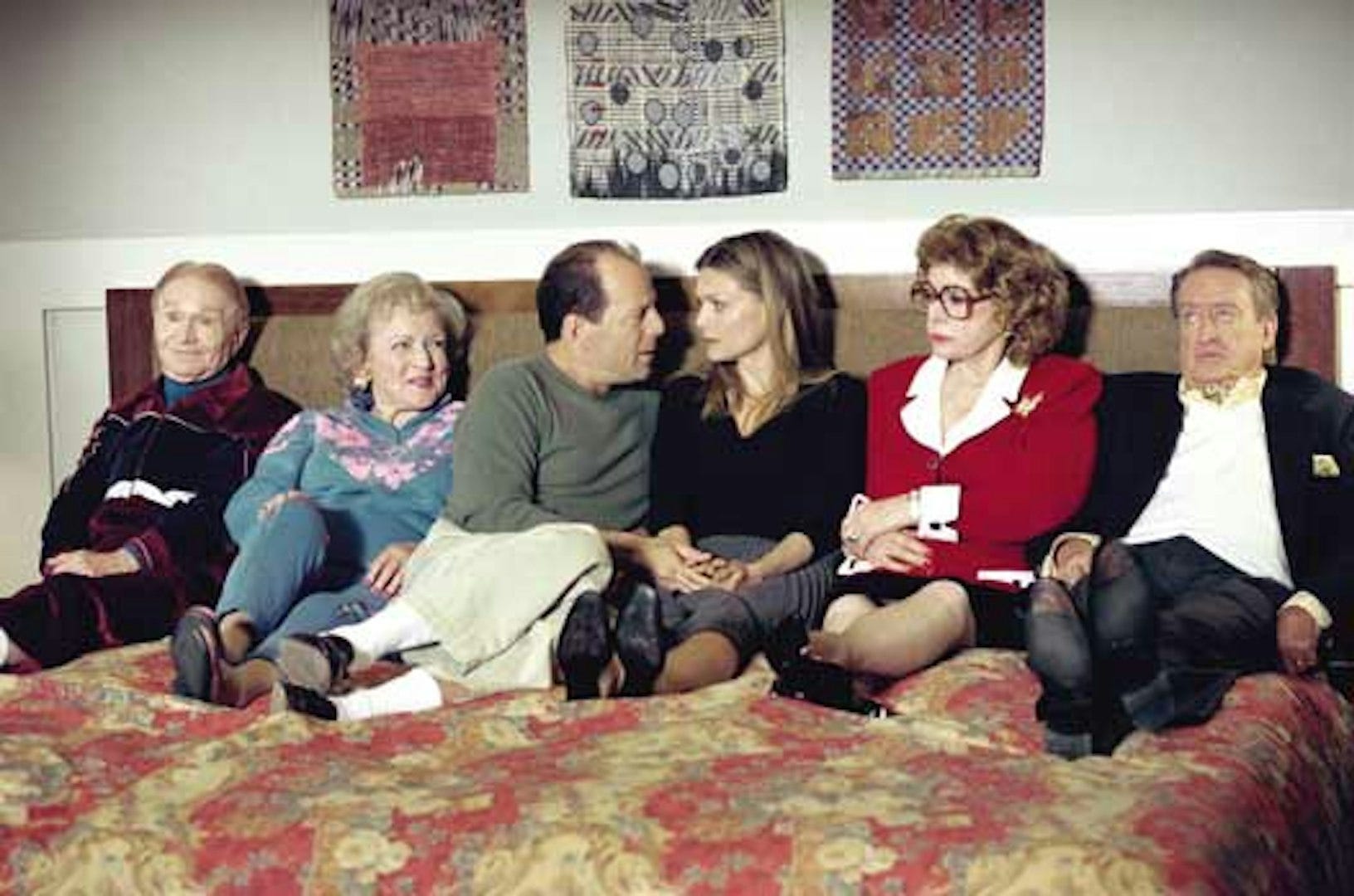
When two people go to bed together, there are actually 6 people in the bed together.
In other words, there is a couple, as we understand it, and then there are the couple’s parents for each side of the couple, making 6 in the bed, or a comedic marital truth as seen in the picture below from the movie.
Think about it. When you are in an intimate relationship, you bring with you all your unconscious beliefs about what a relationship should be and how it should work, and so does the other person. If those unconscious thoughts don’t align with the partner’s, then problems and conflict arise.
In Story of Us, a narrator in the film's opening sets a bleak tone when he says, “Marriage is like the Jack Kevorkian of romance.” All seems pretty dire for Ben and Katie‘s marriage. They have tried everything. They have gone to multiple therapists. They have travelled. They have consulted their friends. They have tried cooking lessons. They have separated. They are literally at their wits’ end of fighting after 16 years of marriage and 2 children. As the movie progresses, what becomes apparent is that Ben and Katie love each other very much, but they just can’t see or understand each other’s perspectives on life. They are also not examining their own unconscious beliefs and patterns that are driving their arguments.
Coincidentally, Story of Us premiered in the same year as marriage expert, John Gottman, published his popular book about marriage, The Seven Principles That Make Marriage Work. For fun, I pulled out that book from 1999, and what stood out were the two main marital conflicts – the solvable ones and the perpetual ones. The solvable conflicts are minor irritants, like snoring or leaving your clothes on the floor. The perpetual ones are the constant problems that seem like they will be part of your life forever, such as addiction, poor communication, or infidelity. If they are perpetual and you find yourself arguing over the same thing year after year, night after night, Gottman predicts the marriage will probably end in divorce.
Perpetual problems are not so easily solved because they come from all of our unconscious stuff, and that is what needs to be understood in your relationship. If marriage is finding out who the person is that you really married, then that is what you need to do, perhaps before you marry them. I don’t mean stalk their social or hire a private eye – I mean go deeper into their unconscious dreams, fantasies, and motivations. You know how Gwyneth Paltrow and Chris Martin popularized “Conscious Uncoupling” – when they divorced, well, if you want to stay married or have a good, long-lasting marriage, we probably need to popularize the idea of conscious coupling, where you listen to your unconscious mind from the start.

The idea behind conscious coupling is to enter into a marriage or romantic relationship intentionally and respectfully, focusing on the other person’s dreams, desires, fantasies, and behavioral patterns rather than their appearance, how they make you feel, or personality traits. In other words, you gotta go deep from the beginning.
And yes, consciously coupling is not a new idea by any means, but it is the message of the day from me, and I hope this helps in some way!
Warmly, Kendall

Questions to ask your partner:
What are your dreams?
What are your desires?
What kinds of relationships did you have before? How did they end it? What did you learn about yourself?
If they could do anything in the world, what would it be?
How do you express your feelings and emotions?
How can we grow spiritually together?
What do you need during a disagreement?
What is your love langage?
What brings you the most joy in life?

Now, get your popcorn—I’ve curated a list of my favorite movies about marriage (with links) for paid subscribers—it’s one of the benefits of supporting this publication. If you’re reading along, I’d love for you to consider upgrading.
🍿 15 Best Marriage Movies of All Time, plus a bonus marriage psychological assessment test!
The Jack Kevorkian line made me laugh, but the truth is this: marriages often die from emotional neglect long before a divorce is filed. Conscious coupling is really conscious attunement — knowing how your partner loves, fears, defends, and disconnects.
Thanks for bringing this into awareness!! no wonder marriages can be so complicated! If only we realize this before we said our vows!